EnergyOilPrice.comMay 12, 2026· 1 min read
ADNOC Gas Aims for 80% Habshan Recovery by End-2026 Post-Conflict
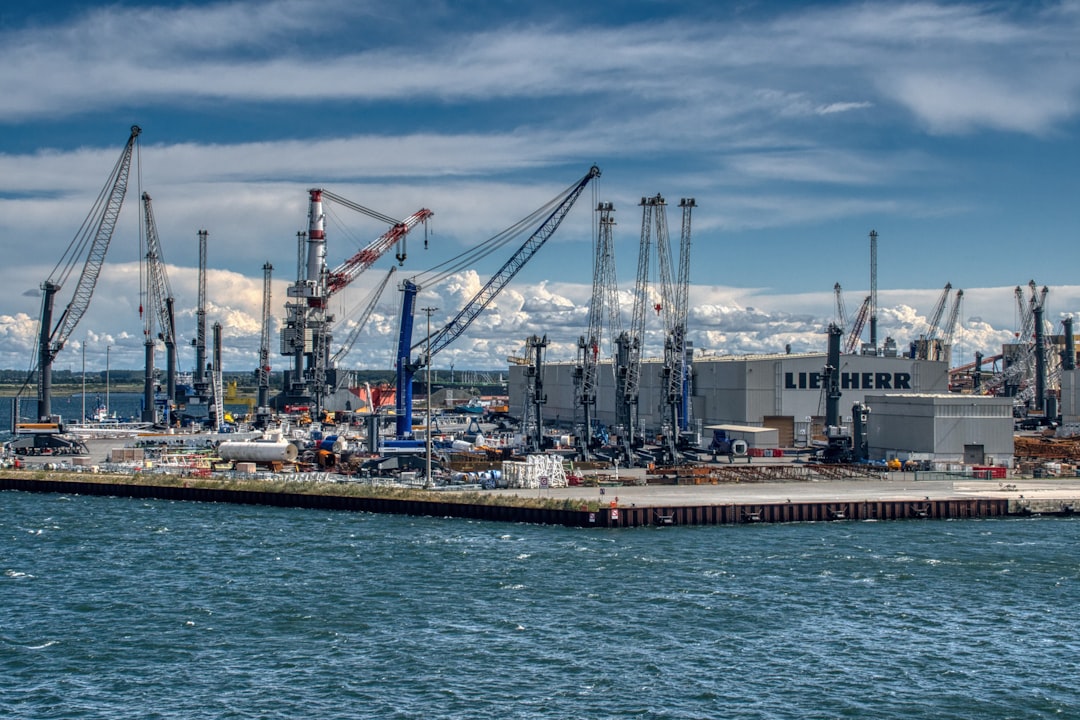
ADNOC Gas targets an 80% recovery of its Habshan gas processing facilities' capacity by the end of 2026, following damage from the Iran conflict. This restoration is vital for the UAE's gas production and its role in global energy markets.
ADNOC Gas, a subsidiary of Abu Dhabi's national oil company, announced plans to restore 80% of its Habshan gas processing facility's capacity by the close of 2026. This recovery effort follows damage sustained during the recent conflict with Iran. The Habshan complex, located onshore, represents the United Arab Emirates' largest gas processing site and is a critical component of one of the world's most extensive gas processing operations.
The Habshan Complex is a significant asset within the global energy landscape, boasting five plants equipped with 14 processing trains. Prior to the damage, its operational capacity stood at 6.1 billion standard cubic feet per day (bscfd). The phased restoration of this facility is crucial for maintaining the UAE's position as a key gas producer and exporter, impacting both domestic energy supply and international market dynamics.
From an economic standpoint, the recovery timeline provides clarity for market participants regarding future gas supply from the region. A fully restored Habshan complex will contribute to stabilizing global natural gas markets by ensuring consistent output from a major producer. Conversely, any delays in this ambitious recovery schedule could introduce volatility, particularly given geopolitical sensitivities surrounding energy infrastructure in the Middle East. The commitment to an 80% recovery by late 2026 signals a strategic focus on mitigating long-term supply disruptions and reinforces the UAE's energy security objectives.
Analyst's Take
While the 2026 recovery target offers supply clarity, the market may be underestimating the potential for increased regional competition in LNG exports in the intervening period, particularly from Qatar. This could pressure future ADNOC Gas margins even as physical capacity is restored, hinting at a long-term shift in regional gas power dynamics rather than just a supply recovery story.