MacroBBC BusinessMay 11, 2026· 1 min read
Trump's China Visit Poised to Stress Fragile Tariff Truce
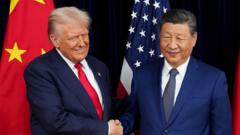
President Trump's imminent visit to China will serve as a crucial test for the existing tariff truce between the two economic giants. The visit's outcome will significantly influence global trade stability and economic predictability.
President Donald Trump's upcoming visit to China, the first by a U.S. President in nearly a decade, will critically assess the durability of the current tariff truce. This high-stakes diplomatic engagement carries significant economic implications for global trade relations and market stability. The visit comes amidst ongoing discussions and unresolved issues stemming from previous trade disputes that led to the imposition of substantial tariffs by both nations. While a temporary truce has been in place, underlying structural disagreements regarding intellectual property, market access, and state subsidies persist.
The economic ramifications of the visit hinge on the outcomes of these bilateral discussions. A positive trajectory could reinforce the current truce, potentially leading to further de-escalation of trade tensions and fostering greater predictability for businesses engaged in cross-border commerce. This would provide a boost to global supply chains and potentially stabilize commodity prices that have been sensitive to trade rhetoric.
Conversely, a breakdown in discussions or a renewed escalation of protectionist measures could trigger a resurgence of tariffs, disrupting established trade flows and impacting corporate earnings across various sectors. Industries heavily reliant on Sino-American trade, from technology to agriculture, would face renewed uncertainty. Furthermore, such an outcome could dampen global economic growth projections and introduce volatility into financial markets. Investors will be closely monitoring official statements and negotiation outcomes for signals regarding the future direction of U.S.-China economic policy.
Analyst's Take
While the immediate focus is on tariff stability, the underlying tension concerning technology transfer and national security will likely overshadow any 'wins' on agricultural purchases, signaling a long-term structural decoupling trend. A failure to address these deeper issues now may lead to a more fragmented global tech supply chain within the next 2-3 years, creating new investment opportunities in reshoring and diversification strategies for advanced manufacturing.

