MacroThe Guardian EconomicsMay 6, 2026· 1 min read
UK Consumers Brace for Inflationary Impact of Geopolitical Tensions
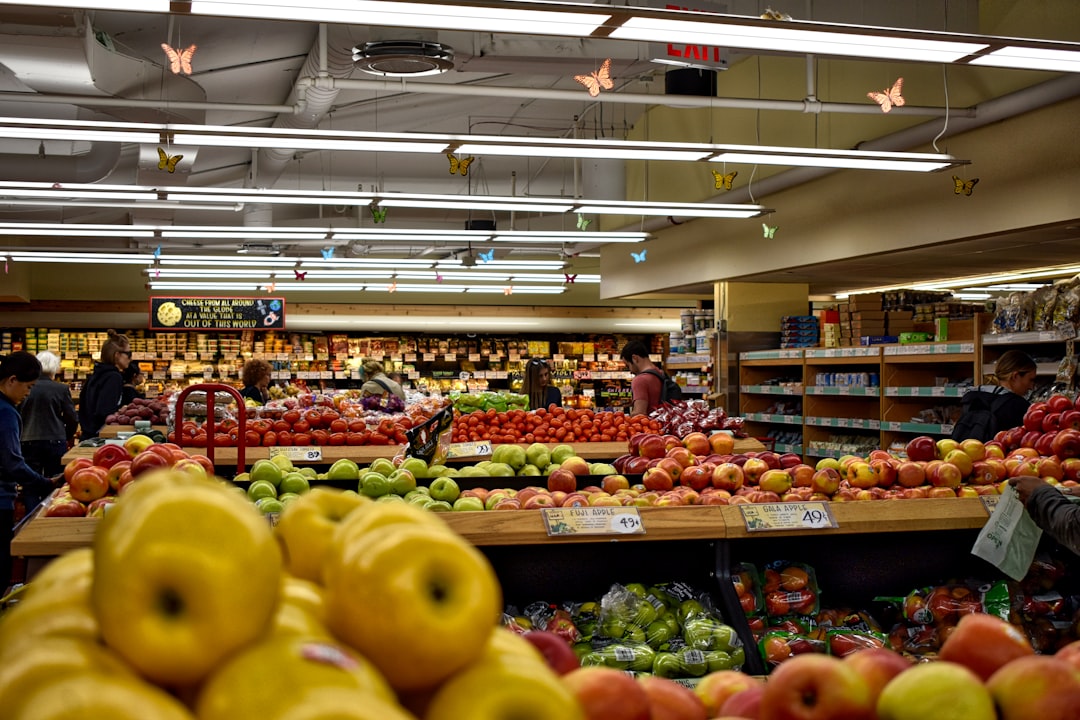
A new poll indicates 80% of Britons are concerned about rising food prices due to geopolitical tensions involving Iran, with 73% expecting broader product cost increases. This consumer anxiety coincides with UK retailers warning the government about a narrowing window to address increasing energy costs.
A recent Opinium poll reveals significant apprehension among UK consumers regarding the potential inflationary effects of Middle East geopolitical tensions. Four in five (80%) Britons expressed concern that ongoing conflict involving Iran would lead to higher food prices, reflecting expectations that retailers would pass on increased costs.
Beyond groceries, a substantial 73% of respondents anticipate broader price increases across other product categories. This widespread consumer anxiety emerges as UK retailers issue warnings to the government, emphasizing that the window for implementing measures to mitigate rising energy costs is rapidly closing. The retail sector's concerns highlight a critical nexus where external geopolitical events intersect with domestic operational expenses, ultimately impacting consumer purchasing power and the broader inflation outlook.
The findings underscore a heightened sensitivity to external shocks within the UK economy, particularly given the recent history of supply chain disruptions and energy price volatility. Retailers face sustained pressure from elevated operational costs, including energy, which, combined with potential global commodity price spikes stemming from conflict, creates a challenging environment for maintaining price stability. Consumer expectations of higher prices could also contribute to inflationary pressures through demand-side dynamics, as households adjust their spending habits in anticipation of future cost increases.
Analyst's Take
While consumer polls often reflect sentiment, the timing of this concern, alongside retail sector warnings, suggests potential second-order effects on wage demands and inflation expectations, which could prove more persistent than direct commodity price shocks. The market may be underestimating the stickiness of inflation driven by these intertwined factors, potentially influencing future Bank of England policy actions even if commodity prices stabilize.

