EnergyOilPrice.comMay 4, 2026· 1 min read
First India-Bound LPG Tanker Navigates Hormuz Amidst U.S. Blockade
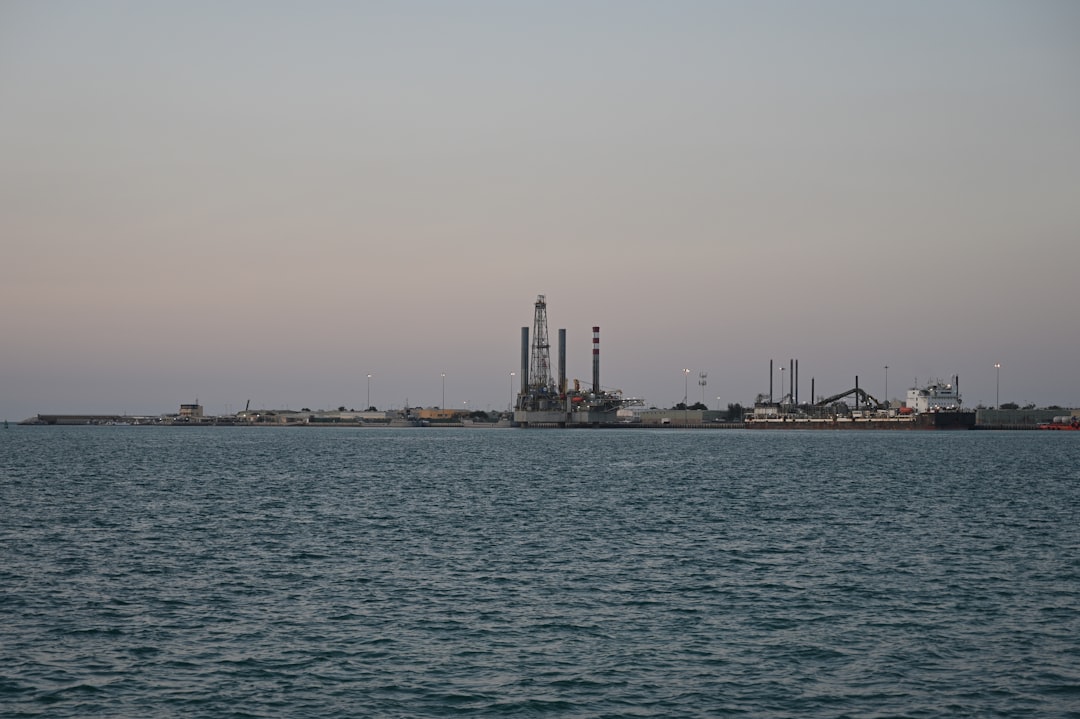
An Indian Oil Corporation-chartered LPG tanker has successfully transited the Strait of Hormuz, the first such India-bound cargo since the U.S. blockade targeting Iranian oil exports commenced. This event highlights India's ongoing efforts to secure energy supplies and navigate complex geopolitical trade restrictions.
An India-bound liquefied petroleum gas (LPG) tanker successfully transited the Strait of Hormuz this weekend, marking the first such passage for an India-linked LPG cargo since the United States initiated a blockade to curb Iranian oil exports. The vessel, MT Sarv Shakti, chartered by Indian Oil Corporation (IOC), India's largest state refiner, cleared the critical waterway on Saturday. Its expected arrival in Visakhapatnam is May 13, according to official Indian government statements cited by domestic media.
The passage signals a potential test of the U.S. enforcement strategy in the region and highlights India's energy diversification efforts and its strategic maritime interests. While the U.S. blockade primarily targets Iranian crude oil exports, the broader implications for maritime trade and commodity flows through the Strait of Hormuz are significant. The Strait is a vital chokepoint for global oil and gas shipments, and any disruption can have ripple effects on international energy markets and prices.
India, a major energy importer, continuously seeks to secure its energy supplies and minimize disruptions. The successful transit of the MT Sarv Shakti indicates that some trade routes, particularly for non-crude Iranian products or via complex sourcing arrangements, may still be operational or are being carefully negotiated. This development warrants close observation for its impact on regional geopolitical stability and the future dynamics of global energy trade.
Analyst's Take
While seemingly a singular event, this successful transit of an LPG tanker suggests a potential bifurcation in the efficacy of the U.S. blockade, with non-crude energy products potentially finding alternative pathways or facing less stringent enforcement. The market may be underpricing the long-term implications for the Iranian petrochemical sector, which relies on LPG exports, and the potential for a more segmented, multi-speed energy trade environment emerging from the region, leading to complex pricing differentials across various petroleum products.