MacroBBC BusinessMay 19, 2026· 1 min read
UK Government Seeks Voluntary Supermarket Price Caps Amid Inflation
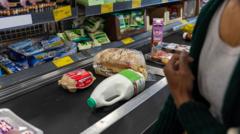
The UK government is reportedly encouraging supermarkets to voluntarily cap prices on staple food items like eggs, bread, and milk to alleviate the cost-of-living crisis. This initiative aims to address persistent food inflation without implementing mandatory price controls.
The UK government is reportedly urging major supermarkets to voluntarily implement price caps on essential food items, including eggs, bread, and milk. This move comes as consumers grapple with persistent food inflation, which has significantly outpaced general inflation in recent months. The proposals aim to mitigate the cost-of-living crisis by making key groceries more affordable for households.
While the government's approach emphasizes voluntary agreements rather than mandatory controls, the initiative signals increasing pressure on the retail sector to address rising food costs. Discussions are understood to be underway between government officials and supermarket chains to determine the scope and duration of these potential price limitations. The focus remains on staple goods crucial to household budgets, with the intent to provide targeted relief.
This development follows a period of elevated food price inflation, driven by factors such as increased energy costs, supply chain disruptions, and higher agricultural input prices. For consumers, the impact has been a noticeable reduction in purchasing power for everyday necessities. From an economic standpoint, the success of such voluntary measures hinges on the willingness of retailers to absorb potential margin compressions or find efficiencies to offset price reductions. The long-term implications for retailer profitability and competition will be closely watched, as will the actual impact on consumer spending patterns and overall inflation metrics. The government's intervention underscores the ongoing challenge of taming inflation without resorting to more interventionist policies.
Analyst's Take
While seemingly aimed at inflation, this move subtly shifts political risk onto corporations, potentially impacting their perceived ESG scores and stakeholder relations more than consumer prices. The timing suggests a pre-election posture, setting a precedent for 'voluntary' industry interventions that may become less voluntary if inflation persists, hinting at future sector-specific regulations or increased scrutiny.

