MacroBBC BusinessMay 13, 2026· 1 min read
German Court Rules Milka Bar Shrinkflation Deceptive, Impacts Consumer Trust
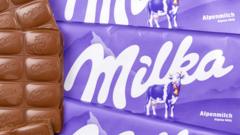
A German court found Mondelēz International guilty of deceptive shrinkflation for its Milka chocolate bar, which was reduced in size without clear communication. This ruling highlights increasing regulatory scrutiny on indirect price increases and potential impacts on consumer trust in the broader European market.
A court in Bremen, Germany, has found Mondelēz International, the manufacturer of the popular Milka Alpine Milk chocolate bar, guilty of deceptive shrinkflation practices. The ruling comes after consumer protection groups highlighted a reduction in the chocolate bar's size from 100 grams to 87 grams, while its price remained unchanged or even increased in some retail outlets, effectively raising the price per unit. The court determined that the packaging design did not adequately communicate the product's reduced net weight, leading consumers to believe they were purchasing the original size.
This verdict underscores growing scrutiny on manufacturers responding to inflationary pressures by reducing product quantity rather than directly raising prices. While shrinkflation is a common corporate strategy to manage input costs without deterring consumers with overt price hikes, regulatory bodies and consumer advocates are increasingly challenging practices deemed misleading. The German court's decision could set a precedent for similar cases in the European Union, potentially prompting stricter labeling requirements or increased transparency from food and beverage manufacturers.
Economically, the ruling highlights the ongoing battle between producers seeking to maintain profit margins amid rising raw material, energy, and labor costs, and consumers facing eroded purchasing power. While the immediate financial penalty or direct market impact on Mondelēz is likely limited for a single product, the broader implication is a potential dent in consumer trust. Such erosion of trust can have long-term effects on brand loyalty and sales, particularly in a competitive consumer goods market. The ruling also signals that regulatory environments may become less tolerant of indirect price increases, pushing companies towards more transparent pricing strategies.
Analyst's Take
This localized shrinkflation ruling, while not market-moving for Mondelēz directly, signals a potential leading indicator for increased regulatory focus across the EU on consumer goods packaging and pricing transparency. As inflation persists, companies employing similar strategies elsewhere might proactively update packaging, potentially incurring minor redesign costs, to avoid future legal challenges, rather than risking brand reputation and a potentially larger, pan-European regulatory crackdown that could force costly market-wide relabeling.

