MacroBBC BusinessApr 28, 2026· 1 min read
UAE Exits OPEC, Reshaping Global Oil Dynamics
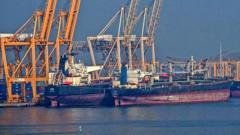
The United Arab Emirates is set to leave OPEC after nearly 60 years, a move that grants it greater autonomy over oil production policy and potentially impacts global oil market stability. This departure could diminish OPEC's collective market share and its ability to coordinate production, leading to increased price volatility.
The United Arab Emirates (UAE) has announced its intention to withdraw from the Organization of the Petroleum Exporting Countries (OPEC) after nearly six decades of membership. This move, if finalized, marks a significant shift in the global energy landscape and raises questions about OPEC's future cohesion and market influence.
The UAE has long been a pivotal member of OPEC, known for its substantial oil reserves and production capacity. Its departure could reduce OPEC's collective market share and its ability to implement coordinated production cuts or increases, potentially leading to greater price volatility in crude oil markets. The UAE's strategy has increasingly focused on maximizing its own production and export capabilities, often clashing with OPEC's quota system and broader production targets aimed at market stabilization.
Economically, the UAE's exit provides it with greater autonomy over its oil production policy, allowing it to pursue independent expansion plans without the constraints of cartel agreements. This could lead to increased investment in its upstream sector and potentially lower crude oil prices as it maximizes output. For other OPEC members, particularly Saudi Arabia, the departure of a major producer like the UAE could complicate efforts to manage supply and demand, potentially necessitating new alliances or a re-evaluation of the cartel's role.
The broader implications for global energy markets include a potential shift in power dynamics, with non-OPEC producers gaining relative influence. It also underscores the ongoing transition within oil-rich nations as they navigate global energy transition efforts while optimizing their fossil fuel revenues in the short to medium term. The exact timeline for the UAE's formal exit and its immediate impact on oil prices and market sentiment will be closely watched.
Analyst's Take
The UAE's departure, while granting it production autonomy, implicitly signals a long-term hedging strategy against peak oil demand. By maximizing output now, the UAE aims to extract maximum value from its reserves before a more significant global energy transition reduces demand, potentially pressuring other petrostates to re-evaluate their own market share vs. cartel discipline tradeoffs, foreshadowing increased fragmentation and competitive production rather than coordinated supply management in the coming years.

