MacroBBC BusinessApr 29, 2026· 1 min read
Powell Addresses Geopolitics, Inflation, and Fed Independence Post-Rate Decision
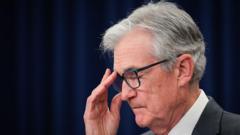
Federal Reserve Chair Jerome Powell, after holding interest rates, commented on geopolitical tensions, persistent inflation, and the importance of the Fed's independence and institutional integrity. His remarks signal continued vigilance on inflation and an acknowledgment of global economic risks.
Federal Reserve Chair Jerome Powell, in his final press conference following the recent Federal Open Market Committee (FOMC) meeting where interest rates were held steady, addressed a range of pressing issues beyond monetary policy. Powell commented on the US-Israel conflict with Iran, acknowledging its potential to impact the global economic landscape, particularly through energy markets and supply chains. While not offering specific policy responses, his remarks underscored the Fed's awareness of geopolitical risks to economic stability.
Inflation remained a central theme, with Powell reiterating the Fed's commitment to achieving its 2% target. He discussed the persistence of inflationary pressures, particularly in the services sector, and emphasized that the committee would continue to monitor economic data closely for signs of sustainable disinflation before considering rate adjustments. This signals a cautious approach, indicating that the Fed is not yet convinced inflation is fully under control.
Separately, Powell briefly touched upon recent legal challenges facing the Federal Reserve, a reference to ongoing scrutiny and litigation related to the institution's operations and transparency. He also underscored the critical importance of the Fed's independence from political influence, stating that its ability to make data-driven decisions free from short-term political pressures is paramount to effective monetary policy and overall economic stability. These comments highlight an underlying concern about the institutional integrity and autonomy of the central bank amid a polarized political environment.
Analyst's Take
Powell's emphasis on Fed independence, coinciding with the explicit mention of 'legal attacks,' suggests a growing concern within the central bank about potential legislative or judicial actions that could compromise its operational autonomy. This political risk, while not immediately market-moving, could introduce long-term uncertainty regarding future monetary policy effectiveness, potentially leading to a subtle widening of sovereign credit spreads or increased volatility in Treasury auctions as political risk premium starts to get priced in by savvy institutional investors.

