EnergyChannel News Asia BusinessApr 29, 2026· 1 min read
UAE's OPEC Departure: Economic Implications for Global Oil Markets
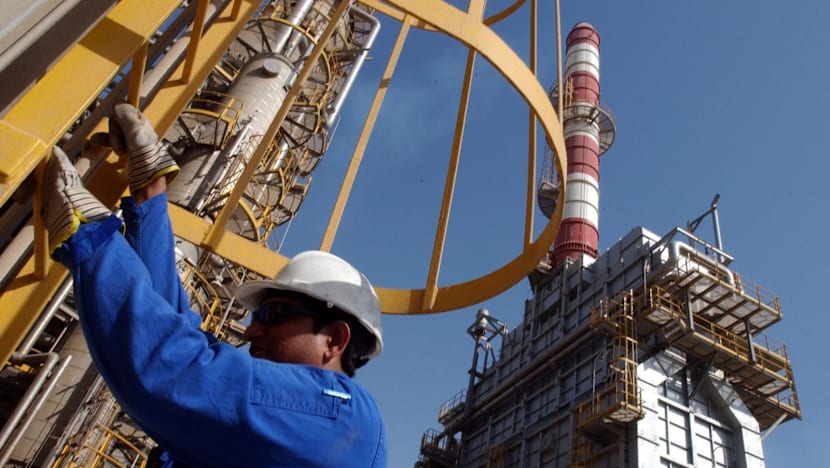
The UAE's departure from OPEC grants it greater autonomy over oil production, potentially increasing global supply and impacting crude prices. This move could also reshape geopolitical energy alliances and influence the UAE's economic diversification efforts.
The United Arab Emirates (UAE) has announced its withdrawal from the Organization of the Petroleum Exporting Countries (OPEC), a significant development that analysts suggest could recalibrate global energy dynamics. While immediate market reactions have been subdued, the long-term economic ramifications warrant close observation.
OPEC, along with its allies in OPEC+, has historically played a crucial role in stabilizing global oil prices through coordinated production quotas. The UAE, a major oil producer within the bloc, has frequently expressed a desire to maximize its production capacity, at times clashing with OPEC's collective output targets. This departure grants the UAE greater autonomy over its crude oil production levels, enabling it to respond more flexibly to market demand and its own economic development objectives.
From an economic standpoint, the UAE's exit could lead to increased oil supply in the global market, potentially exerting downward pressure on prices, particularly if other non-OPEC+ producers also ramp up output. For oil-importing nations, this might translate into lower energy costs, benefiting consumers and industries. Conversely, for other oil-exporting nations, increased competition could impact revenue streams and necessitate strategic adjustments to production and pricing models.
Beyond direct supply and demand mechanics, the move carries geopolitical weight. It could signal a re-evaluation of alliances in the Middle East and among major oil producers, potentially leading to new bilateral agreements or regional energy strategies. The long-term stability of OPEC as a price-setting cartel might also be called into question, especially if other members contemplate similar exits, though this remains speculative. The UAE's economic diversification agenda, which aims to reduce reliance on oil revenues, is likely a key driver behind this decision, offering greater freedom to pursue non-oil sector growth strategies unconstrained by cartel mandates.
Analyst's Take
The market may be underpricing the long-term ripple effects on OPEC's cohesion. While the immediate price impact is muted, this exit could empower other members to question their adherence to quotas, especially if global demand wanes, leading to potential 'free rider' behavior that gradually erodes the cartel's pricing power over the next 12-18 months. Bond markets might start reflecting this increased supply uncertainty through wider spreads for oil-dependent emerging economies.