EnergyChannel News Asia BusinessApr 28, 2026· 1 min read
Middle East Tensions Squeeze Philippine Fishing Sector Profitability
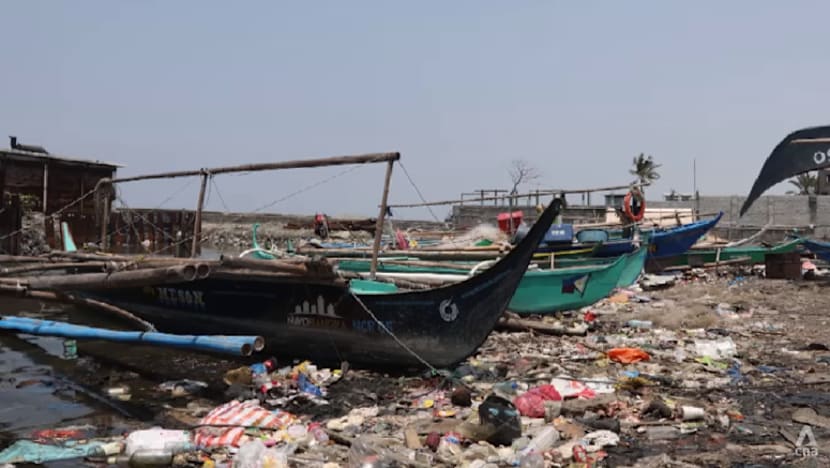
Geopolitical tensions in the Middle East have driven global oil prices higher, severely impacting the profitability of the Philippine fishing sector. Over two million fisherfolk are experiencing reduced incomes as fuel costs surge and, in some areas, catch volumes decline.
The Philippines' fishing industry, a critical livelihood for over two million individuals, is facing significant economic pressure due to surging global oil prices exacerbated by Middle East geopolitical tensions. This price escalation directly impacts operational costs, primarily for fuel, which is essential for fishing vessels. Fisherfolk report that the increased expenditure on fuel is eroding profit margins, with many struggling to break even.
The rise in input costs comes at a challenging time, as some reports also indicate a decrease in catch volumes, further compounding the financial strain on the sector. This dual challenge of higher costs and potentially lower revenues creates a precarious economic environment for a substantial portion of the Philippine workforce. The economic implications extend beyond individual incomes, potentially affecting food security and local economies reliant on fishing activities.
While the immediate trigger is the global fuel market, the vulnerability of the Philippine fishing sector highlights broader issues of energy dependence and the susceptibility of key economic sectors to international commodity price fluctuations. The government and industry stakeholders may need to explore mitigation strategies, such as fuel subsidies, efficiency improvements, or diversification of income sources, to bolster the resilience of this vital sector against external shocks.
Analyst's Take
The immediate impact on Philippine fisherfolk, while localized, signals broader inflation pressures on energy-intensive sectors across developing economies, which often lack the fiscal buffers for sustained subsidies. This could lead to a 'stagflationary' effect in these regions – rising costs with stagnant or declining real incomes – potentially prompting social unrest or calls for government intervention that could strain national budgets.