EnergyChannel News Asia BusinessApr 28, 2026· 1 min read
Indonesia's Rail Safety Needs Overhaul After Fatal Crash
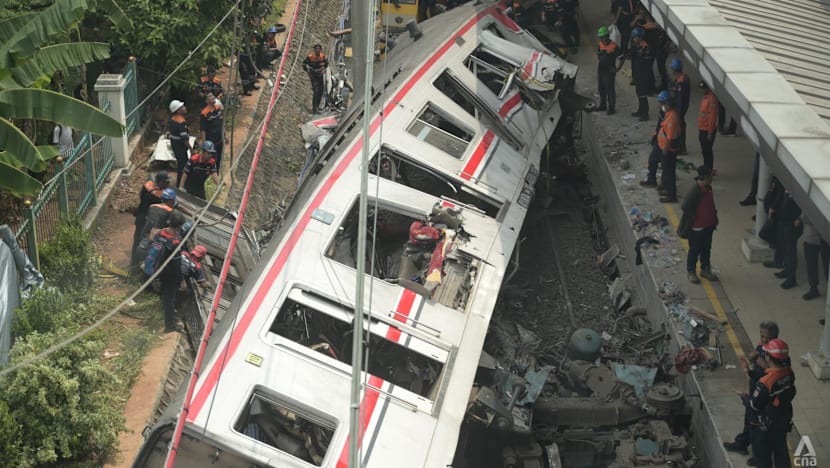
A fatal train crash in Indonesia has triggered calls for a major overhaul of the country's rail infrastructure, including separate tracks for long-distance and commuter trains. This necessitates significant capital expenditure but could yield long-term economic benefits through improved trade and logistics.
A recent fatal train collision in Indonesia, which resulted in 15 deaths and dozens of injuries, has brought renewed scrutiny to the nation's railway infrastructure and safety protocols. The incident, occurring on Monday, April 27th, has prompted transport experts to advocate for significant overhauls, including the implementation of separate tracks for long-distance and commuter services.
The economic implications of this push for infrastructure upgrades are multifaceted. Investing in new railway lines and modernizing existing ones would necessitate substantial capital expenditure, potentially involving both government funding and private sector participation. This could stimulate economic activity through construction contracts, job creation, and demand for materials and technology.
However, the cost of such an overhaul could also strain public finances, depending on the funding model. Delays in implementation or inadequate investment could perpetuate safety risks, deterring rail travel and potentially shifting passenger and freight traffic to alternative, less efficient modes of transport, thereby increasing logistical costs for businesses.
Furthermore, improved rail safety and efficiency could unlock significant economic benefits in the long run. A reliable and safe railway network is crucial for seamless domestic trade, facilitating the movement of goods and people across the archipelago. This can enhance supply chain efficiency, reduce transportation costs for industries, and support regional economic development by connecting production centers to markets.
The incident underscores a broader challenge for developing economies: balancing rapid infrastructure expansion with robust safety standards. While Indonesia has been expanding its transport networks, ensuring that these developments are accompanied by comprehensive safety measures and maintenance protocols is paramount to avoid future economic disruptions and human costs. The call for distinct tracks highlights a fundamental capacity and safety issue that, if addressed, could significantly enhance the resilience and efficiency of Indonesia's transportation sector.
Analyst's Take
While the immediate focus is on safety and infrastructure investment, this incident could accelerate Indonesia's broader push towards public-private partnerships (PPPs) in infrastructure. The market may be underestimating the potential for a wave of new tenders and concessions in the transport sector within the next 12-18 months, attracting foreign direct investment beyond the typical energy and mining sectors.