EnergyChannel News Asia BusinessApr 27, 2026· 1 min read
China's Renewed Island Building Reshapes South China Sea Economic Control
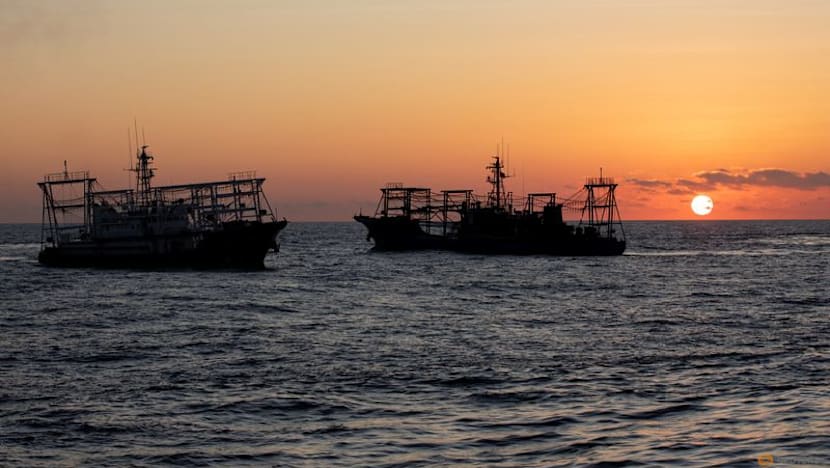
China is reportedly resuming island-building in the South China Sea, with a new outpost at Antelope Reef. This activity, while not creating new legal rights, is set to reshape de facto economic control over these crucial global shipping lanes and resource-rich waters.
China appears to be resuming its island-building activities in the South China Sea, with a new outpost reportedly under construction at Antelope Reef. This development, while not expected to establish new legal sovereignty, is poised to significantly alter the de facto economic control over these disputed international waters.
Previous island-building campaigns saw China reclaim vast tracts of land, converting submerged features into artificial islands capable of supporting military and dual-use infrastructure. These constructions have consistently been viewed by international observers as efforts to strengthen Beijing's territorial claims and project power across a critical global shipping lane. The new outpost at Antelope Reef signals a potential resumption of this strategy.
The economic implications are substantial. The South China Sea is a conduit for an estimated one-third of global maritime trade, carrying trillions of dollars in goods annually. Enhanced Chinese control, even without formal legal recognition, could influence shipping routes, fishing rights, and access to potential hydrocarbon reserves. This could impact supply chain stability for economies reliant on these passages and alter the competitive landscape for regional fishing fleets and energy exploration companies.
While legal experts suggest these new outposts do not confer new legal rights under international maritime law, their physical presence on strategically important features could enable China to more effectively monitor and potentially interdict maritime activity. This could increase operational costs for shipping, insurance premiums, and introduce greater uncertainty for companies operating in the region. The move underscores China's long-term strategy to solidify its presence in a region vital for global trade and resources.
Analyst's Take
The renewed island-building, while not immediately market-moving, portends a slow creep of 'gray zone' economic influence that could gradually raise shipping costs and insurance premiums in the South China Sea over the next 12-24 months. This subtle increase in friction for global trade, particularly for energy and raw material flows, might be overlooked by equity markets focused on short-term earnings, yet it adds another layer of geopolitical risk to long-term supply chain planning.