EnergyChannel News Asia BusinessApr 27, 2026· 1 min read
Train Collision Near Jakarta: Economic and Infrastructure Impact
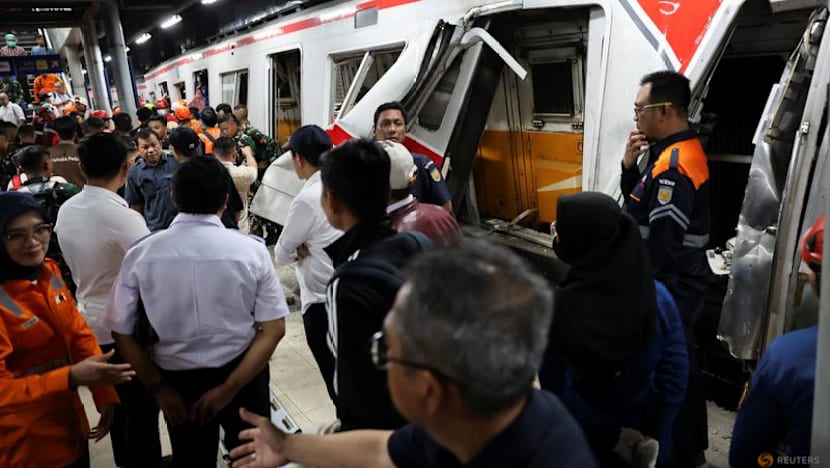
A train collision near Jakarta has killed seven and injured dozens, causing immediate disruptions to rail services. The incident raises concerns about transportation infrastructure safety and potential impacts on regional supply chains and economic activity.
A train collision near Bekasi, east of Jakarta, has resulted in seven fatalities and dozens of injuries. The incident occurred at Cicalengka Station in the West Java province. While the immediate focus remains on rescue and recovery efforts, the economic ramifications for the region's transportation infrastructure and broader economy warrant attention.
The Indonesian Ministry of Transportation has launched an investigation into the cause of the accident, which involved a local commuter train and a long-distance intercity train. Preliminary reports indicate significant damage to rolling stock and track infrastructure. Disruptions to railway services are expected, impacting both passenger travel and freight movement across a critical corridor connecting Jakarta to other major cities in Java.
Indonesia's railway network plays a vital role in its economic landscape, facilitating the movement of goods and people. Delays and cancellations stemming from this incident could affect supply chains, particularly for businesses reliant on rail transport for raw materials or finished products. For daily commuters, alternative transport options will likely be strained, leading to increased road congestion and potentially higher transportation costs.
Beyond immediate operational disruptions, the accident raises questions about railway safety standards and infrastructure maintenance within the context of Indonesia's ambitious national infrastructure development plans. Investment in railway modernization has been a government priority, aimed at enhancing efficiency and connectivity. This event could prompt a re-evaluation of current safety protocols and allocation of resources towards preventative measures, potentially influencing future budget decisions for transportation projects. The long-term economic impact will depend on the speed of infrastructure repair and any subsequent policy changes aimed at preventing similar incidents.
Analyst's Take
While the immediate market reaction to this localized incident will be minimal, it could signal growing infrastructure strains in rapidly developing economies. Over time, increased scrutiny on safety standards and maintenance budgets for critical infrastructure could lead to higher operational costs for state-owned enterprises or even delays in large-scale projects, impacting long-term economic efficiency and investor confidence in infrastructure development. This incident could also indirectly boost demand for road logistics in the short term, albeit with higher costs and congestion.