EnergyChannel News Asia BusinessApr 28, 2026· 1 min read
Ambani Scion's Hippo Offer Highlights Emerging Cross-Border Wildlife Trade Dynamics
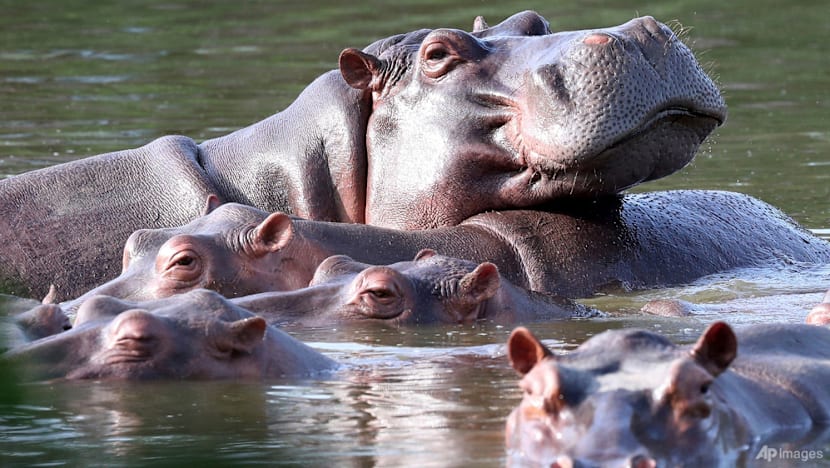
Anant Ambani, son of Indian tycoon Mukesh Ambani, has offered to relocate Colombia's invasive hippo population to India, seeking to prevent their culling. This proposal highlights the significant financial and logistical implications of managing exotic invasive species through private philanthropic initiatives.
Anant Ambani, son of Indian billionaire Mukesh Ambani, has formally requested the Colombian government to halt its decision to cull a herd of approximately 160 hippopotamuses. The animals, descendants of four hippos imported illegally by drug lord Pablo Escobar in the 1980s, have been declared an invasive species and pose environmental and public safety concerns.
Ambani's offer, submitted through his animal rescue and rehabilitation center, the Vantara initiative, proposes relocating the hippos to India. This intervention underscores the growing involvement of private philanthropic capital in complex international wildlife management issues. While the financial specifics of such a relocation remain undisclosed, the logistical challenges and costs associated with transporting large exotic animals across continents are substantial.
The Colombian government has been exploring various solutions, including sterilization, relocation to other countries, and euthanasia. Ambani's proposal adds a significant, well-resourced option to this debate. Should the relocation proceed, it would represent a notable cross-border transfer of an invasive species, setting a precedent for similar situations globally. From an economic perspective, such operations involve considerable expenditure on veterinary care, specialized transport, and long-term sanctuary maintenance, potentially creating a niche market for expert services in exotic animal logistics and conservation. The ultimate economic burden or benefit will depend on the cost-sharing agreements and the long-term impact on biodiversity and tourism in both Colombia and India.
Analyst's Take
While seemingly niche, this initiative could inadvertently signal an emerging market for 'eco-philanthropy bonds' or specialized insurance products for large-scale biodiversity transfers. The successful, high-profile relocation of such a complex invasive species could prompt other nations grappling with similar challenges to explore private-sector solutions, potentially driving demand for specialized logistics and animal welfare services that are currently fragmented.