EnergyChannel News Asia BusinessApr 26, 2026· 1 min read
Tibetan Government-in-Exile Election Draws Beijing's Condemnation
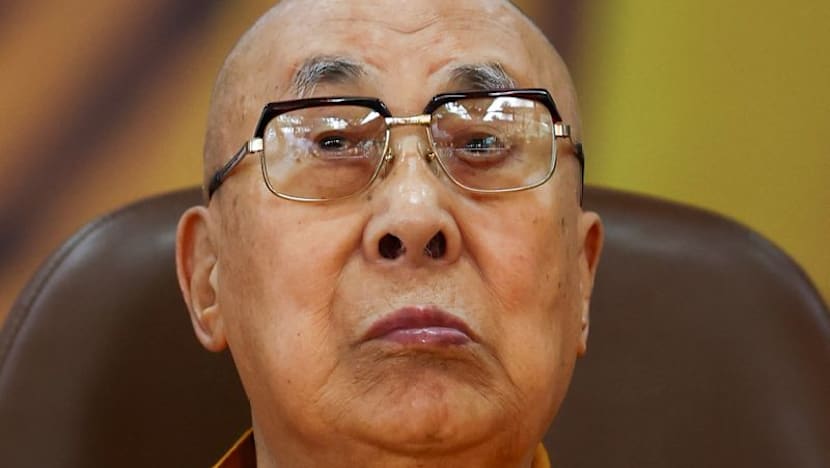
Exiled Tibetans are holding elections for their government-in-exile, a democratic process vehemently condemned by China. This event underscores persistent geopolitical tensions and China's firm stance against any challenge to its sovereignty over Tibet.
Exiled Tibetans are set to elect a new leadership for their government-in-exile, a democratic process that has drawn strong condemnation from Beijing. The vote, taking place outside China, is for the Sikyong (president) and members of the Tibetan Parliament-in-Exile. While the government-in-exile, based in Dharamsala, India, lacks international recognition, its elections provide a symbolic platform for Tibetan identity and a voice for the diaspora.
From an economic perspective, this election primarily highlights the ongoing geopolitical tensions between China and the international community regarding Tibet. China views the Tibetan government-in-exile as an illegitimate separatist organization and any electoral activity as a challenge to its sovereignty. This stance reinforces the existing complexities for foreign businesses operating in or interacting with regions sensitive to Chinese political narratives, potentially influencing investment decisions or market access.
Economically, the direct impact of this specific election on global markets or commodity prices is negligible. However, it serves as a persistent reminder of the broader human rights and political issues that intermittently surface in China's foreign relations. These issues, while not directly tied to economic indicators, contribute to the overall political risk assessment that international investors and multinational corporations undertake when evaluating engagement with China. The election's outcome, regardless of the specific candidates, is unlikely to alter China's fundamental policy towards Tibet or its economic implications on a macro scale.
Analyst's Take
While the direct economic impact is minimal, this election subtly reinforces the 'China risk premium' for long-term foreign direct investment in sensitive sectors or regions. The persistence of these symbolic challenges, even without international recognition, signals a continuing, low-grade geopolitical friction that necessitates a higher discount rate for long-term capital allocation decisions in mainland China, particularly for companies with ESG mandates.