EnergyChannel News Asia BusinessApr 28, 2026· 1 min read
Myanmar's Deepening Fuel Crisis Threatens Agriculture, Spurs Inflation
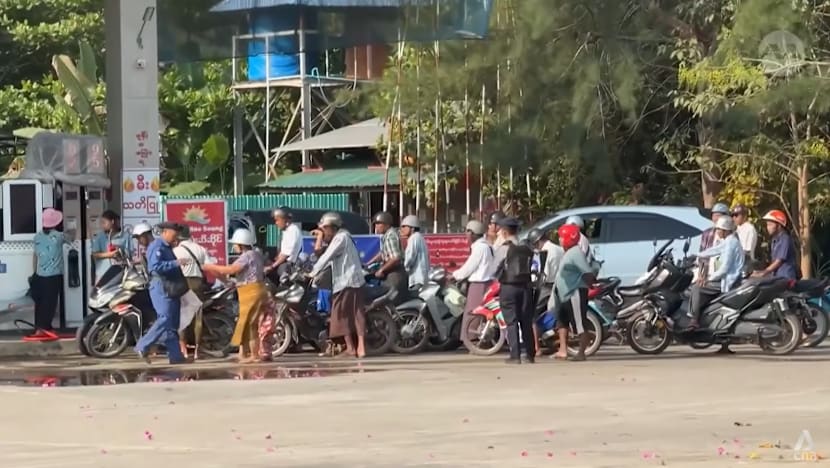
Myanmar is grappling with a severe fuel shortage, forcing long queues and driving up black market prices. The crisis significantly impedes agricultural output as farmers lack fuel for harvesting, raising alarms about food security and inflation.
Myanmar is experiencing a severe and worsening fuel shortage, significantly impacting daily life and critical economic sectors. Consumers in urban centers face queues of up to six hours at petrol stations, while black market prices for fuel are reportedly substantially higher. This scarcity extends beyond personal transportation, critically affecting agricultural operations.
Farmers across Myanmar are reporting insufficient fuel supplies to power machinery essential for harvesting crops. This bottleneck in agricultural production raises considerable concerns about future food security and potential price inflation for staples. The disruption to the agricultural sector, a cornerstone of Myanmar's economy, could have cascading effects on supply chains and household expenditures.
The fuel crisis is exacerbating existing economic challenges within Myanmar. Limited access to fuel impedes the movement of goods and services, contributing to higher operational costs for businesses and potentially stalling economic activity. The reliance on black market fuel further inflates costs, which are ultimately passed on to consumers, intensifying inflationary pressures. The situation underscores a deepening economic distress, with direct implications for food production, distribution, and the broader cost of living.
Analyst's Take
While immediately impacting food security and inflation, this persistent fuel crisis also signals a creeping de-globalization for Myanmar's economy, as essential imports become increasingly difficult to secure. The long-term implication is a potential shift towards more localized, subsistence-level agriculture, accelerating rural economic fragmentation and widening the urban-rural economic disparity not typically captured in headline inflation figures.