EnergyChannel News Asia BusinessApr 28, 2026· 1 min read
BYD's Q1 Profit Halves Amidst Intensifying Chinese EV Price War
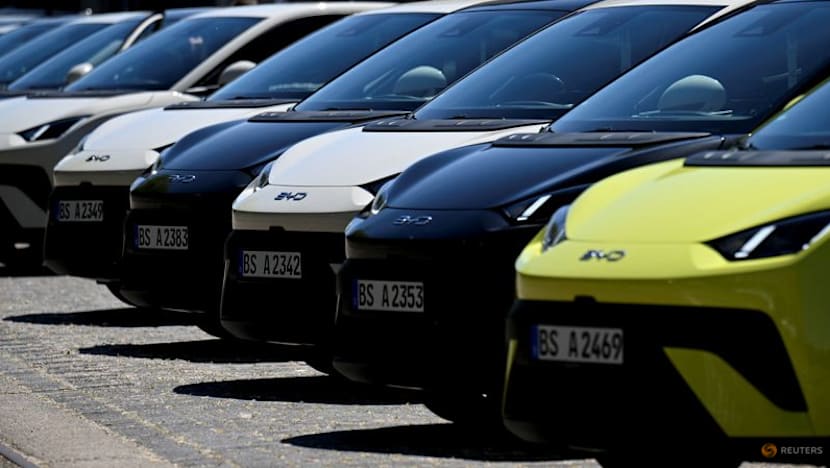
BYD's first-quarter net profit fell by 55.4% year-over-year to 4.1 billion yuan, marking its sharpest quarterly decline in six years. This significant profit reduction is a direct consequence of the escalating price war within China's competitive electric vehicle market.
BYD, a prominent electric vehicle (EV) manufacturer, reported a significant decline in its first-quarter net profit, dropping 55.4% year-over-year to 4.1 billion yuan ($566.8 million). This marks the steepest quarterly profit slide for the company in six years. The sharp reduction in profitability is primarily attributed to an intensifying price war within China's highly competitive EV market.
The Chinese EV sector has experienced rapid expansion but is now facing overcapacity and aggressive pricing strategies as manufacturers vie for market share. This competitive pressure has forced companies like BYD to reduce vehicle prices, impacting their profit margins despite potentially stable or even increasing sales volumes. The lower average selling prices per vehicle have directly translated into reduced net income for the quarter.
Analysts had widely anticipated a challenging quarter for Chinese EV makers due to the escalating price competition and a broader slowdown in consumer spending within the automotive sector. BYD, despite its dominant market position in China, is not immune to these systemic pressures. The company's strategy has been to leverage economies of scale and integrate its supply chain to mitigate some of the pricing impact, but the latest results indicate the severity of the market conditions.
The profit decline highlights the challenges of maintaining profitability in a rapidly evolving and fiercely competitive industry. While BYD continues to expand its global footprint and product diversification, its domestic market performance remains a critical indicator of its financial health. The sustained price competition could force further industry consolidation or compel manufacturers to seek new revenue streams beyond vehicle sales to sustain growth and profitability.
Analyst's Take
While BYD's profit slump appears to signal weakness, it's a strategic maneuver to consolidate market share in an oversupplied Chinese EV market. This aggressive pricing could accelerate the demise of smaller, less efficient competitors, potentially leading to future pricing power for BYD once the shakeout concludes, albeit with short-term margin compression. We should monitor credit spreads for regional suppliers and manufacturers as a leading indicator of further market stress.