TradeSCMP BusinessApr 27, 2026· 1 min read
CATL Secures Landmark Sodium-Ion Battery Deal, Signaling Energy Storage Shift
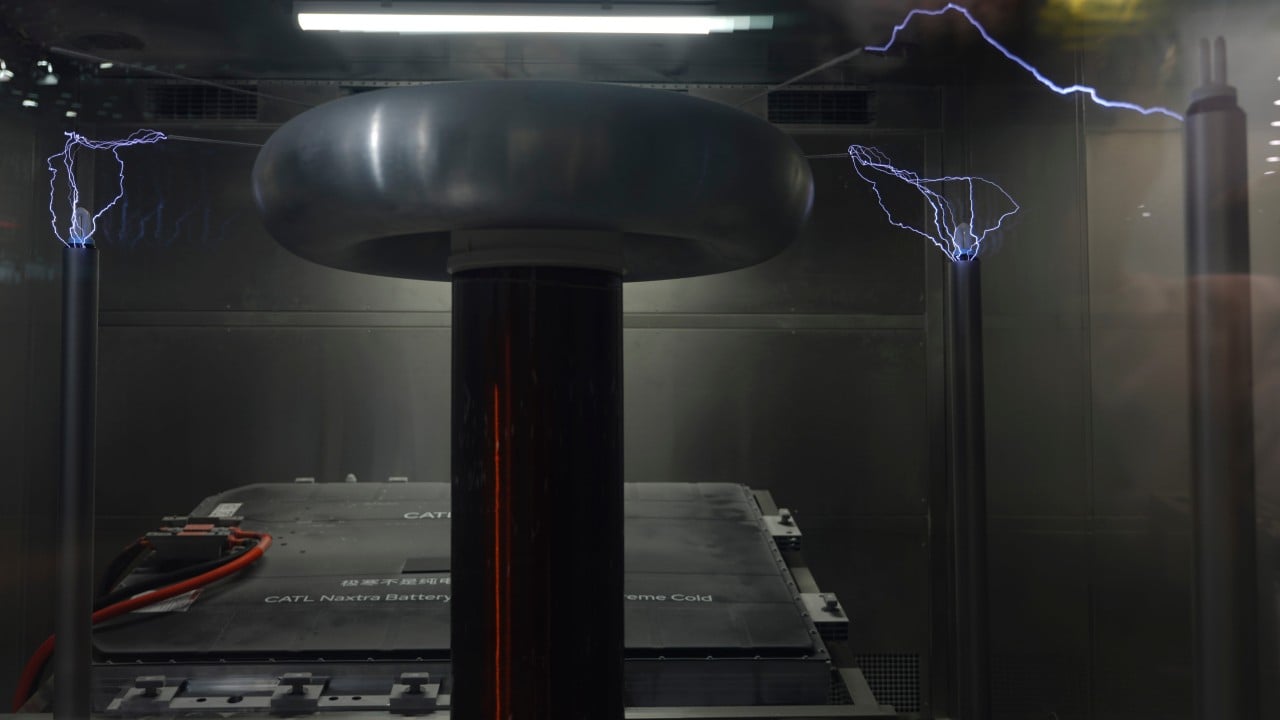
CATL has signed a three-year agreement to supply 60 GWh of sodium-ion batteries to Beijing HyperStrong Technology, marking a significant commercial milestone for the emerging battery technology. This landmark deal addresses growing demand for energy storage infrastructure, driven by global energy shifts and the push for grid stability.
Contemporary Amperex Technology Ltd (CATL), the world's leading manufacturer of electric vehicle and energy storage system (ESS) batteries, has announced a significant stride in the commercialization of sodium-ion battery technology. The Chinese giant has inked a substantial supply agreement to deliver 60 gigawatt-hours (GWh) of sodium-ion batteries to Beijing HyperStrong Technology over a three-year period. This landmark deal positions sodium-ion batteries for broader adoption within the energy storage sector, responding to heightened global demand for power infrastructure.
The agreement, unveiled on Monday, represents a pivotal moment for sodium-ion chemistry, which has long been viewed as a more cost-effective and resource-abundant alternative to lithium-ion batteries. While specific financial terms of the deal were not disclosed, the sheer scale of the order – 60 GWh – underscores CATL's confidence in the maturity and scalability of its sodium-ion offerings. This volume is significant, potentially powering numerous large-scale grid-level storage projects or a substantial number of smaller commercial and industrial applications.
The increasing demand for robust energy storage solutions has been propelled by factors such as the global oil shock, which underscored the need for energy independence and grid stability, and the accelerating transition towards renewable energy sources. As intermittent renewables like solar and wind penetrate energy grids more deeply, efficient and economical storage becomes critical for balancing supply and demand. Sodium-ion batteries, with their distinct cost and material advantages, are poised to play a crucial role in de-risking supply chains and broadening the accessibility of stationary energy storage solutions worldwide. This commercial breakthrough by CATL could accelerate investment and development in the broader sodium-ion battery ecosystem.
Analyst's Take
This CATL deal, while a boon for sodium-ion, could introduce a subtle deflationary pressure on lithium prices in the long term, as diversified storage chemistries reduce sole reliance on lithium. The market may be underestimating the speed at which sodium-ion could displace lithium-ion in stationary storage applications, potentially leading to a bifurcation where lithium dominates high-energy density mobility, and sodium captures cost-sensitive grid storage sooner than anticipated.