EnergyOilPrice.comApr 27, 2026· 1 min read
Shell's $16.4B ARC Resources Acquisition Fuels Canadian LNG Ambitions
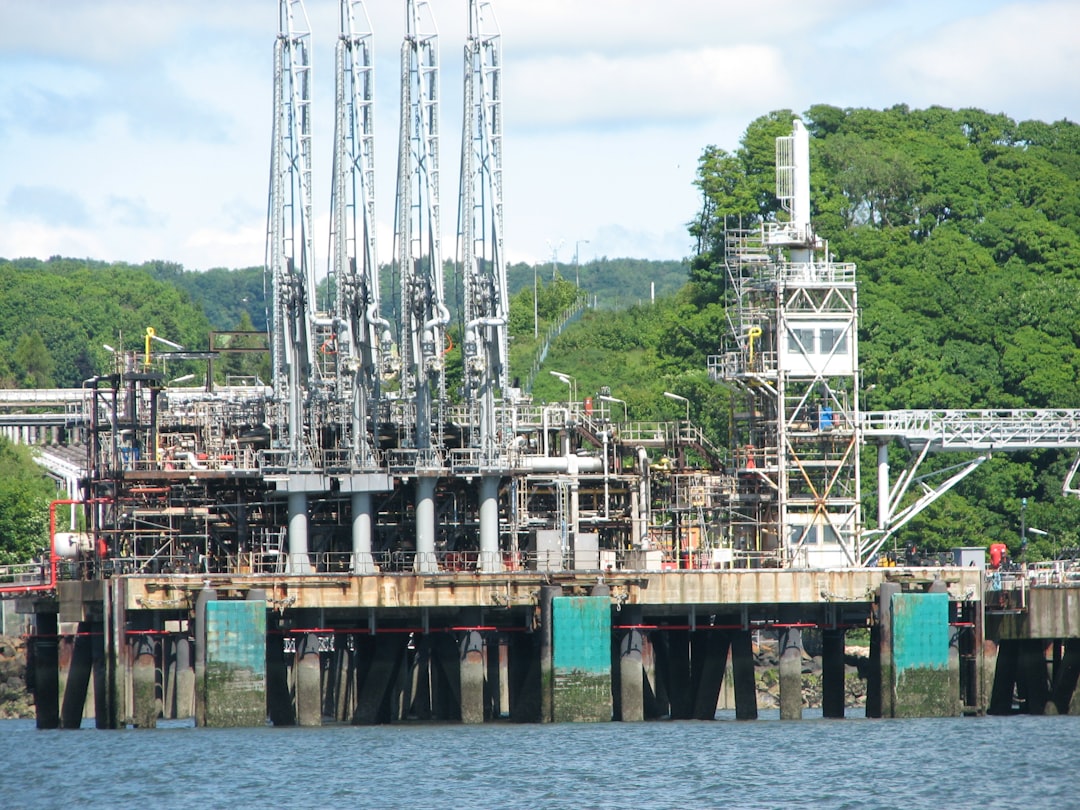
Shell is acquiring Canada's ARC Resources for $16.4 billion, significantly expanding its North American natural gas production and reserves. This move is designed to bolster feedstock supply for its LNG Canada export project, reinforcing Shell's long-term bet on global LNG demand.
Shell has announced a definitive agreement to acquire Canadian energy producer ARC Resources for $16.4 billion. This strategic move is poised to significantly bolster Shell's North American natural gas footprint, adding approximately 370,000 barrels of oil equivalent per day (boe/d) to its production portfolio.
The acquisition grants Shell access to an estimated 2 billion barrels of reserves, strengthening its upstream position in a key Canadian gas corridor. This enhanced supply base is critical for Shell's broader liquefied natural gas (LNG) strategy, particularly its anchor project, LNG Canada. Shell holds a 40% operating stake in LNG Canada, a facility it increasingly positions as a cornerstone of its global LNG operations.
The deal underscores Shell's long-term conviction in the robust demand for LNG, especially from North America. By integrating ARC Resources, Shell aims to secure a more reliable and cost-effective feedstock supply for its export facilities, thereby improving the profitability and stability of its LNG value chain. This investment reflects a concerted effort by the energy major to optimize its asset portfolio towards natural gas, which is seen as a crucial transition fuel in the global energy mix.
From an economic perspective, the acquisition injects significant capital into the Canadian energy sector and solidifies Canada's role as a major natural gas producer and potential LNG exporter. It signals sustained investment in fossil fuel infrastructure, even as global energy transitions gain momentum. For Shell, the move enhances its competitive standing in the global LNG market, offering diversified supply sources and strengthened operational control over its export projects.
Analyst's Take
While immediately boosting Shell's upstream gas position, this acquisition also highlights the increasing trend of majors consolidating control over integrated LNG value chains. The true second-order effect will be observed in future LNG supply contract negotiations, where Shell's enhanced resource base could yield more favorable terms, potentially pressuring competitors reliant on third-party gas procurement. This consolidation also implicitly signals that global gas prices, despite recent volatility, are expected to remain attractive enough to justify significant capital outlays for long-term supply security.