EnergyChannel News Asia BusinessApr 28, 2026· 1 min read
Beijing's Airspace Tactic on Taiwan: Economic Implications
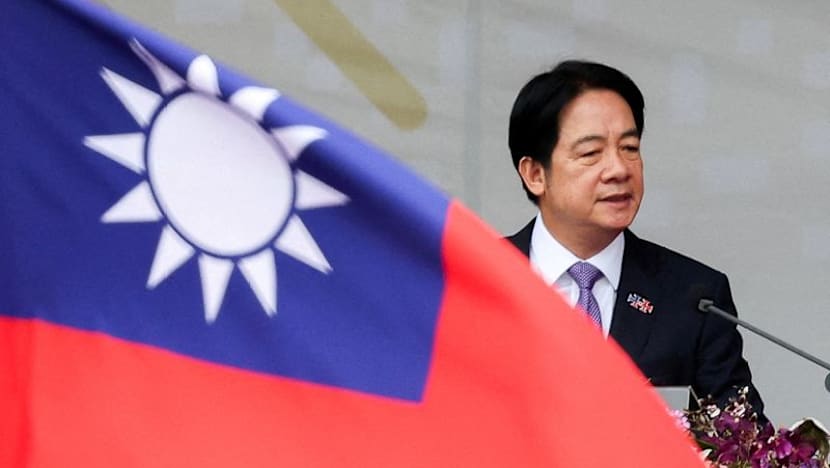
Beijing has escalated its diplomatic pressure on Taiwan by denying airspace transit for flights associated with President Lai Ching-te's U.S. visits. This new tactic introduces operational risks for airlines and logistics, potentially increasing costs and disrupting regional air travel.
Beijing has introduced a new tactic in its diplomatic pressure on Taiwan, specifically denying airspace transit for flights associated with Taiwanese President Lai Ching-te's recent visits to the United States. This move marks an escalation in China's strategy to diplomatically isolate Taiwan's leadership, moving beyond traditional economic and military posturing to directly impede travel logistics.
Historically, China has employed various methods, including military drills, trade restrictions, and diplomatic maneuvers, to assert its 'One China' principle and discourage international recognition of Taiwan as an independent state. The denial of airspace access represents a novel application of leverage, directly impacting the operational capabilities and international engagements of Taiwanese officials.
Economically, such tactics introduce new layers of risk and uncertainty for air travel and supply chains operating in the region. Should China increasingly employ this measure, airlines and logistics companies may face heightened operational complexities, potential rerouting requirements, and increased fuel costs, particularly for routes traversing or near Chinese-controlled airspace. This could indirectly affect the cost of goods and services relying on air freight.
Furthermore, the effectiveness of this airspace denial as a coercive tool could encourage Beijing to expand its use, potentially impacting commercial flights or other forms of transit deemed to be facilitating activities unaligned with China's political objectives. Such a scenario would disrupt regional aviation stability and potentially compel international airlines to re-evaluate their flight paths and operational protocols in East Asia. The broader economic consequence lies in the increasing geopolitical risk premium for doing business in the region, potentially deterring foreign investment and impacting trade flows due to heightened uncertainty and operational costs.
Analyst's Take
While immediately impacting diplomatic travel, this airspace denial tactic serves as a leading indicator of potential future disruptions to commercial air traffic and shipping lanes. The success of this low-cost, high-visibility maneuver could precede similar, broader interdictions impacting supply chains in the Taiwan Strait, suggesting markets may be underpricing the risk of logistical fragmentation in the region beyond traditional military blockade scenarios.