EnergyChannel News Asia BusinessApr 30, 2026· 1 min read
Indonesian Minister's Train Safety Suggestion Sparks Backlash
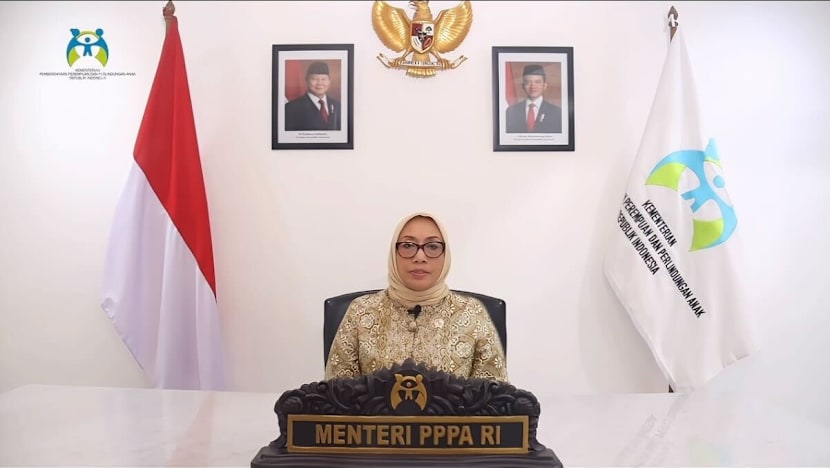
Indonesia's Minister for Women's Empowerment and Child Protection faced backlash for suggesting women-only train carriages be moved to the middle of trains after a fatal accident involving 16 women. This proposal, while currently only a suggestion, highlights potential future operational considerations for railway infrastructure and public confidence in transportation safety.
A recent suggestion by Indonesia’s Minister for Women’s Empowerment and Child Protection, Arifah Choiri Fauzi, to reposition women-only train carriages following a fatal accident has drawn public criticism. The Minister proposed moving these carriages to the middle of trains, aiming to place male passengers at the ends. This comment came in the wake of a train crash near Jakarta that resulted in 16 female fatalities.
The economic implications of such a proposal, if implemented, would primarily revolve around public transportation infrastructure and rider behavior. Reconfiguring train layouts to accommodate a specific carriage placement strategy could entail operational costs for railway operators, potentially affecting efficiency and maintenance schedules. Furthermore, public perception and trust in the safety of the railway system are critical for sustained ridership.
While the immediate economic impact is negligible, significant policy shifts concerning public transport safety and design could lead to increased government spending on infrastructure modifications or security enhancements. Reduced public confidence in the railway system, stemming from perceived safety deficiencies or inadequate policy responses, could lead to a decline in commuter numbers, impacting revenue for state-owned railway enterprises and potentially increasing road traffic congestion. The incident itself, and the subsequent policy discourse, underscores the ongoing challenge of ensuring public safety within critical transport networks in rapidly urbanizing economies.
Analyst's Take
This incident, while seemingly minor, could signal a broader undercurrent of public dissatisfaction with infrastructure safety and government responsiveness in Indonesia. Should public sentiment escalate, it could pressure the government to allocate greater fiscal resources to transportation safety and maintenance, potentially diverting funds from other developmental projects or leading to increased operational subsidies for state-owned enterprises.