EnergyChannel News Asia BusinessApr 30, 2026· 1 min read
Myanmar Commutes Suu Kyi's Sentence, Reduces Remaining Term
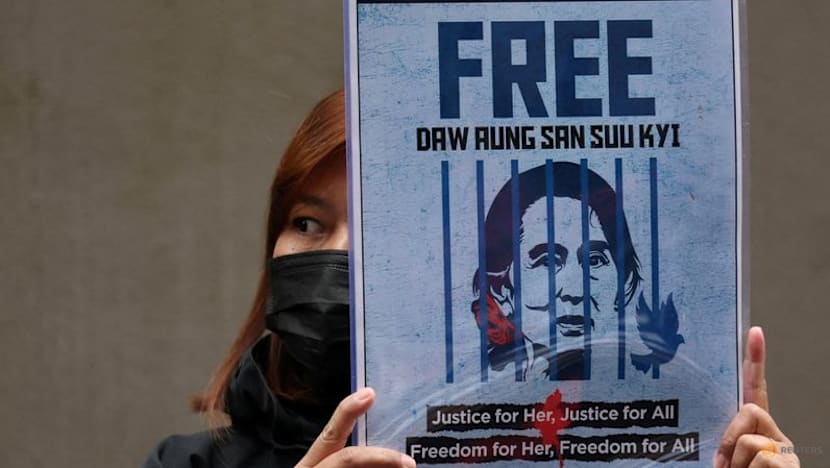
Myanmar's former leader, Aung San Suu Kyi, has had her prison sentence further reduced, bringing her remaining term to just over 18 years from an initial 33-year sentence. This commutation, while politically notable, is unlikely to have direct significant economic implications for Myanmar's deeply troubled economy, which continues to suffer from post-coup instability and international sanctions.
Myanmar's former leader, Aung San Suu Kyi, has seen her sentence commuted again, according to her lawyer. The 80-year-old Nobel laureate, who was initially handed a 33-year prison term following a series of convictions, will now serve just over 18 years. This marks a further reduction from previous commutations, though the specific charges and the rationale behind the latest adjustment were not immediately detailed.
Suu Kyi was detained during a military coup in February 2021, which overthrew her democratically elected government. Since then, she has faced a multitude of charges ranging from incitement and electoral fraud to corruption, all widely condemned internationally as politically motivated. The military junta has maintained that her trials and convictions were conducted according to law.
While the legal adjustments to Suu Kyi's sentence are significant for her personal circumstances, their direct economic implications for Myanmar remain largely contained. The country's economy has been in turmoil since the 2021 coup, marked by political instability, civil conflict, and a significant exodus of foreign investment. Sanctions imposed by Western nations further complicate economic recovery, primarily targeting military-linked entities and individuals.
Economically, Myanmar continues to grapple with high inflation, currency depreciation, and disrupted trade routes. Businesses, both domestic and foreign, face operational challenges due to insecurity and an unpredictable regulatory environment. The commutation of Suu Kyi's sentence, while a notable political development, is unlikely to fundamentally alter the broader economic trajectory or investment climate in the short to medium term without a more significant shift towards political stability and reconciliation.
Analyst's Take
While this news has minimal immediate economic impact, it subtly signals the junta's ongoing internal consolidation efforts and potential long-game strategies, possibly aiming to manage international pressure without genuine political liberalization. The absence of a broader amnesty or political dialogue alongside this individual commutation suggests a continued 'business as usual' approach to governance, reinforcing the existing risk premium on Myanmar assets and dimming prospects for FDI revival in the medium term, especially for non-extractive industries.