EnergyOilPrice.comApr 30, 2026· 1 min read
Chinese Breakthrough Promises Low-Cost Iron-Air Battery Boost for Renewables
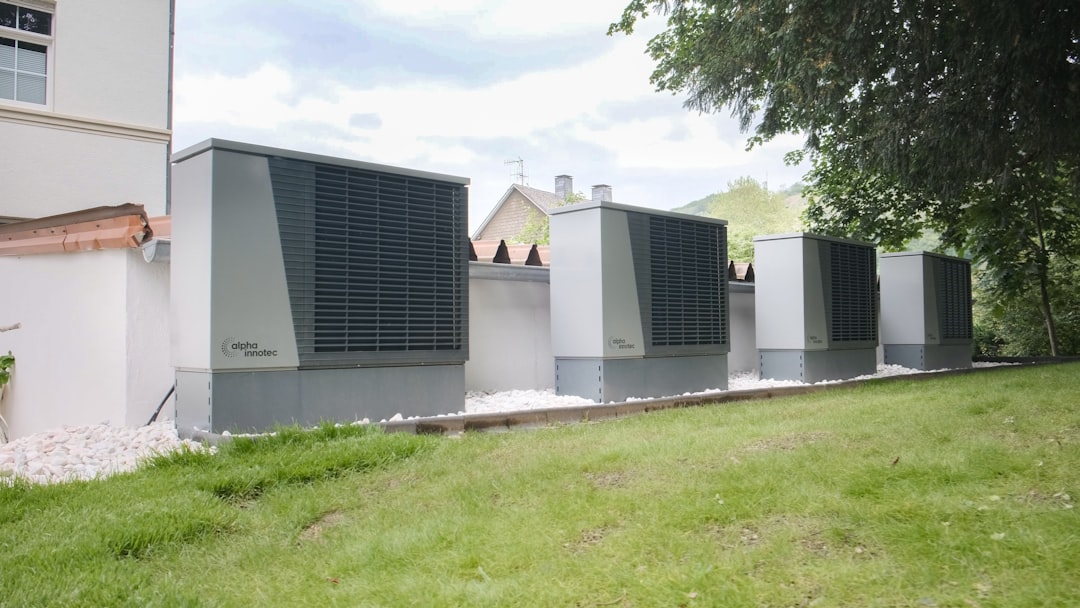
Chinese researchers have developed a new 'all-iron' battery, promising significantly lower energy storage costs. This breakthrough could accelerate the adoption of renewable energy by addressing the critical need for affordable and efficient battery solutions amidst ongoing fossil fuel supply challenges.
Chinese researchers have announced a significant advancement in battery technology, developing a novel 'all-iron' battery that could drastically reduce energy storage costs. This development comes as global energy markets face persistent supply constraints for oil and gas, accelerating the push for renewable energy sources like wind and solar.
The widespread adoption and reliability of intermittent renewables are heavily dependent on efficient and affordable energy storage solutions. Traditional battery technologies, particularly those relying on materials like lithium, often present cost and supply chain challenges. The new 'all-iron' battery, developed by a team at the Chinese Academy of Sciences, offers a potentially much lower-cost alternative, directly addressing one of the primary hurdles to scaling up renewable energy infrastructure.
While specific cost figures and commercialization timelines were not detailed in the initial announcement, the emphasis on an 'all-iron' composition suggests a substantial reduction in material expenses compared to current market offerings. Iron is an abundant and inexpensive metal, offering a significant advantage over rarer elements. This cost efficiency could translate into more economically viable utility-scale energy storage projects, enhancing grid stability and enabling higher penetration of renewable energy into national power grids.
From an economic perspective, this innovation has the potential to reshape investment strategies in the energy sector. Lower battery costs would improve the return on investment for renewable energy projects, potentially attracting more capital into the green energy transition. Furthermore, it could reduce the geopolitical leverage of hydrocarbon-producing nations by providing a more robust and self-sufficient energy framework for importing economies. The long-term implications include a potential acceleration of decarbonization efforts and a shift in global energy commodity demand dynamics.
Analyst's Take
While immediately impactful for renewables, the long-term second-order effect is a potential structural deflationary force on energy prices globally, as storage costs drop and intermittency issues for renewables are mitigated. This could lead to a re-evaluation of long-term energy contracts and asset valuations in the fossil fuel sector, likely manifesting over the next 3-5 years as this technology moves from lab to commercial scale, with early signals potentially visible in venture capital flows into energy storage startups.