EnergyChannel News Asia BusinessApr 29, 2026· 1 min read
Indian Aviation Seeks Tax Relief Amid Soaring Fuel Costs, Warns of Suspensions
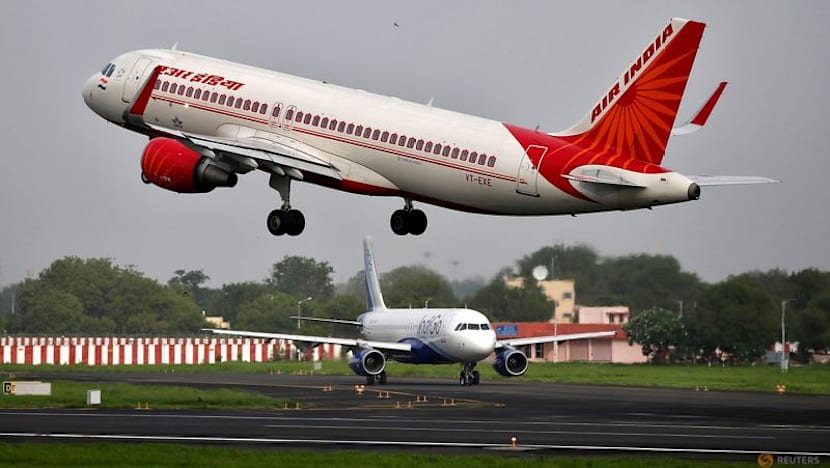
India's aviation industry is under severe financial pressure from rising aviation turbine fuel costs, with the Federation of Indian Airlines requesting government tax relief to avoid flight suspensions. High domestic fuel taxation, exacerbated by global crude prices, is eroding airline profitability and threatening operational viability.
India's aviation sector is facing significant economic strain due to surging aviation turbine fuel (ATF) costs, prompting a plea for government intervention. The Federation of Indian Airlines (FIA) has formally requested state support, specifically advocating for relief from current fuel taxation. The industry body warns that without such measures, several airlines may be forced to suspend flights, threatening connectivity and economic activity.
ATF prices in India have seen a substantial increase, reflecting global crude oil price volatility and domestic taxation structures. Fuel typically constitutes 30-40% of an airline's operating expenses, and its elevated cost directly impacts airline profitability and operational viability. Unlike many other nations, India imposes high state-level taxes on jet fuel, compounding the financial burden on carriers.
The FIA's request underscores the precarious financial position of some Indian airlines, many of which are still recovering from the significant downturn caused by the COVID-19 pandemic. Sustained high fuel prices erode margins, limit fleet expansion, and could potentially lead to job losses within the sector. Government relief, if granted, could stabilize airline balance sheets, maintain competitive airfares, and support the broader travel and tourism industries that rely heavily on air connectivity.
The potential for flight suspensions highlights a critical juncture for the industry. While the government has historically provided ad-hoc support, a structural adjustment to fuel taxation would offer more sustainable relief. The outcome of these discussions will significantly influence the operational landscape of India's aviation market in the coming months, impacting both domestic and international passenger and cargo services.
Analyst's Take
While the immediate focus is on government tax relief, the long-term implication for Indian aviation may be accelerated consolidation as financially weaker airlines struggle to adapt to persistent cost pressures without structural changes. This could lead to a less competitive market, potentially impacting future fare structures and service levels for consumers, a second-order effect that may not materialize for another 12-18 months.