EnergyOilPrice.comApr 29, 2026· 1 min read
China's LNG Imports Plummet to Six-Year Low Amid Surging Prices
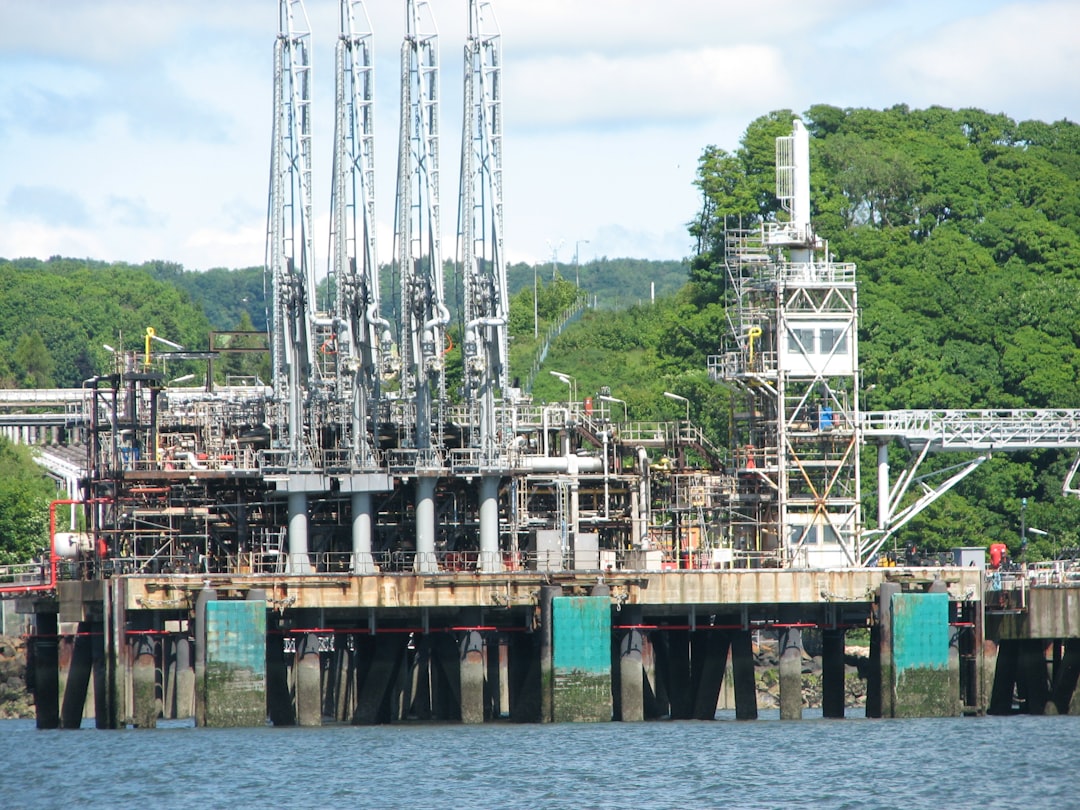
China's LNG imports are projected to reach a six-year low in April, with anticipated arrivals around 3.5 million tons, a 30% decrease year-over-year. This significant reduction is primarily driven by surging global LNG prices, prompting China to potentially re-export some contracted cargoes.
China's liquefied natural gas (LNG) imports are projected to hit their lowest level since 2018 this month, according to data from Kpler cited by Bloomberg. Anticipated April arrivals are estimated at 3.5 million tons, marking a significant 30% year-over-year decline. This downturn is primarily attributed to persistently high global LNG prices.
Another report, this time from Reuters, corroborates Kpler's figures, forecasting April imports at 3.36 million tons. For context, China's LNG imports reached 7.66 million tons during the seasonal demand peak in December. The substantial reduction in imports reflects an economic response to the elevated cost of natural gas, a crucial commodity for industrial operations and power generation.
The decline in imports also coincides with reports of China re-exporting LNG cargoes, suggesting a strategic maneuver to capitalize on price differentials in the global market. This activity, while not fully detailed in available data, indicates that some of China's contracted LNG supply is being diverted to regions offering higher prices, rather than being consumed domestically. Such re-exports could provide a buffer against the financial strain of high import costs.
Economically, this trend highlights a broader rebalancing within China's energy strategy, potentially favoring domestic coal production or other energy sources to mitigate the impact of expensive imported gas. The sustained high prices in the global LNG market are compelling major consumers like China to adjust their energy procurement and consumption patterns, with implications for global supply-demand dynamics.
Analyst's Take
While seemingly a negative for LNG exporters, China's re-exporting activity suggests a sophisticated arbitrage play, not just demand destruction. This could stabilize prices regionally but signals a long-term strategic shift towards energy diversification within China, potentially accelerating investments in domestic renewables and coal, rather than a full return to high LNG imports even if prices ease. The market may be overlooking the resilience of China's overall energy supply, focusing solely on the import decline.