EnergyOilPrice.comApr 29, 2026· 1 min read
US Intensifies Hormuz Blockade, Aiming to Halt Iran's Oil Exports
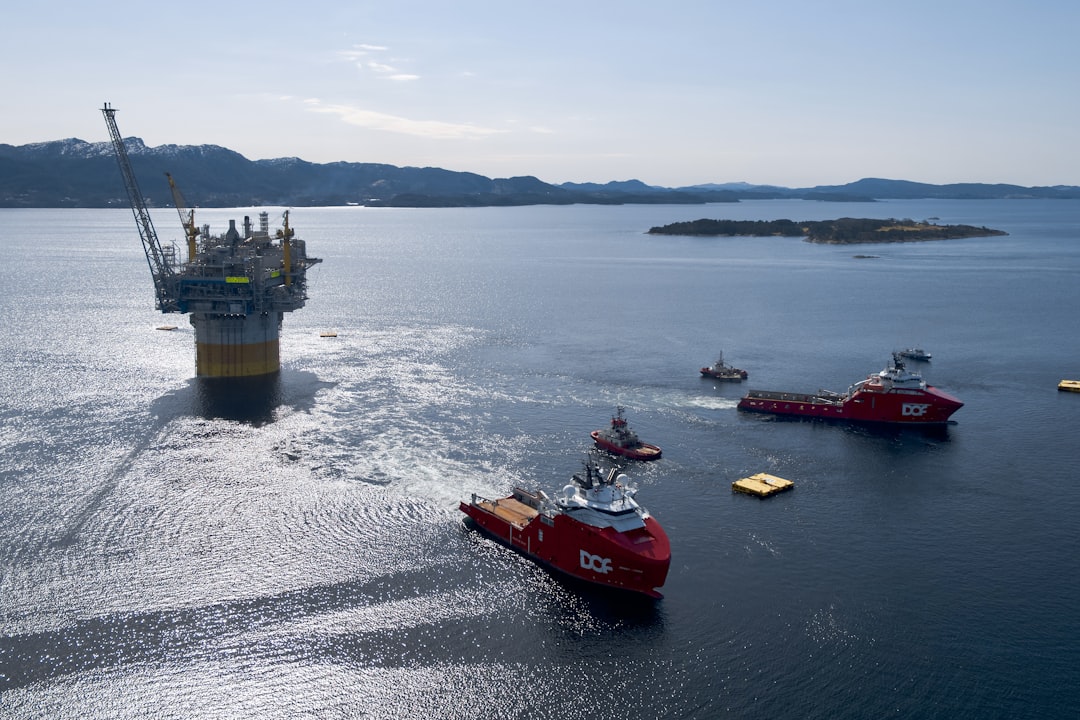
The U.S. is intensifying its naval blockade near the Strait of Hormuz, aiming to halt Iran's oil exports and cripple its energy sector. This sustained pressure is reportedly leading to production shutdowns within Iran's oil industry, with expectations of further output collapse and potential domestic fuel shortages.
The United States is escalating its naval presence and enforcement activities around the Strait of Hormuz, maintaining a blockade intended to severely curb Iran's oil export capabilities. This strategy, initiated under the Trump Administration, is reportedly showing initial success in pressuring Iran's energy sector. U.S. Treasury Secretary Scott Bessent indicated that the blockade is leading to significant disruptions within Iran's oil industry, with production reportedly beginning to shut in.
Secretary Bessent's statements suggest an expectation of further decline in Iranian oil output, potentially leading to domestic fuel shortages within Iran. The U.S. government views this sustained pressure as a critical component of its broader strategy to impact Iran's economy. The continued enforcement of the blockade signals a prolonged commitment to this policy, with no immediate plans for its cessation.
The economic implication of this sustained pressure is a direct reduction in global oil supply originating from Iran, historically a significant producer. While the immediate impact on global oil prices may be limited by other supply-demand dynamics, the removal of Iranian crude from international markets contributes to a tighter supply environment. For Iran, the blockade represents a critical challenge to its primary revenue source, exacerbating economic hardship and potentially fueling domestic instability.
Analyst's Take
While the immediate market reaction to reduced Iranian oil exports may be muted given global oversupply concerns, the long-term tightening of the crude market could accelerate, especially if demand picks up or other geopolitical flashpoints emerge. The sustained blockade also elevates regional shipping insurance premiums, subtly increasing costs for all maritime trade through the Strait, a factor not fully priced into current commodity contracts.