EnergyChannel News Asia BusinessApr 30, 2026· 1 min read
Southeast Asia Weighs US Engagement Amid Geopolitical Tensions
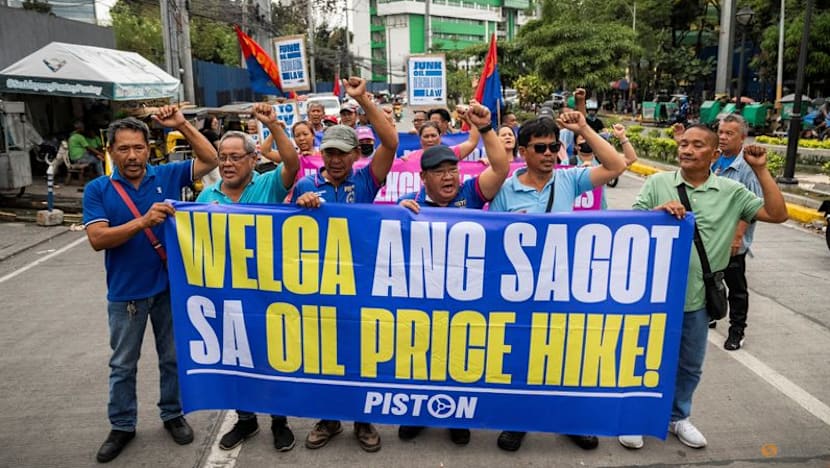
Southeast Asian nations are cautiously evaluating closer ties with the United States due to concerns over potential economic fallout from U.S. foreign policy actions, particularly those in the Middle East. This dilemma, exemplified by Washington's engagement with Manila, highlights the region's prioritization of economic stability amidst global geopolitical shifts.
Southeast Asian nations are navigating a complex geopolitical landscape, carefully balancing engagement with the United States against the potential economic repercussions of American foreign policy, particularly in the Middle East. According to Kevin Chen of the S. Rajaratnam School of International Studies, the region faces a dilemma as it observes Washington's overtures to Manila.
The commentary highlights a broader regional trepidation regarding closer alignment with the U.S. Economic stability in Southeast Asia is highly susceptible to global trade dynamics and geopolitical shocks. Actions taken by the U.S. administration, even in distant theaters like the Middle East, can trigger volatility in energy markets, disrupt supply chains, and impact commodity prices, all of which directly affect the growth prospects of export-dependent economies in the ASEAN bloc.
While the U.S. seeks to bolster strategic partnerships in the Indo-Pacific, particularly with allies like the Philippines, the economic implications for other regional players are under scrutiny. Countries in Southeast Asia typically prioritize economic growth and stability, seeking to avoid entanglements that could jeopardize trade relations or investment flows. The perceived economic fallout from U.S. actions elsewhere compels these nations to exercise caution in their foreign policy alignments, even as Washington attempts to strengthen its regional presence.
This careful assessment reflects the region's broader strategy of maintaining strategic autonomy and economic diversification. The reluctance to fully embrace one major power often stems from a desire to preserve access to multiple markets and avoid becoming collateral damage in great power competition. The economic calculus, therefore, plays a significant role in shaping Southeast Asian responses to American diplomatic and security initiatives.
Analyst's Take
The current focus on U.S. geopolitical actions overlooks the potential for increased intra-ASEAN trade and investment as a hedging strategy against external volatility. We may see a quiet but significant pivot towards strengthening regional economic blocs and supply chain resilience within Southeast Asia over the next 12-18 months, driven by the perceived risks of over-reliance on any single global power.