EnergyChannel News Asia BusinessApr 29, 2026· 1 min read
Thaksin Shinawatra's Early Release: Economic Implications for Thailand
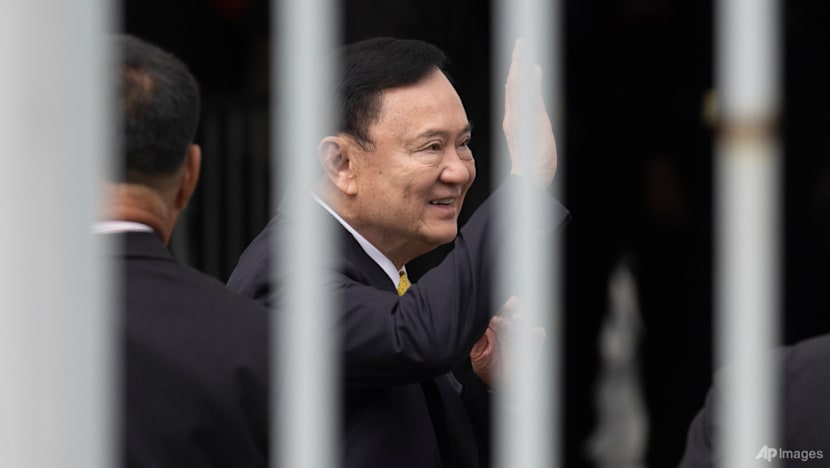
Former Thai Prime Minister Thaksin Shinawatra is scheduled for early release from prison next month due to age and time served. His return could influence Thai economic policy, potentially reviving populist spending measures and impacting investor confidence.
Former Thai Prime Minister Thaksin Shinawatra is slated for early release from prison next month, a decision confirmed by Thailand's corrections department. The justification cited for his early release includes his age and the fact that he had less than a year remaining on his sentence.
While primarily a political development, Thaksin's return to the public sphere could have notable economic implications for Thailand. His previous governments were characterized by populist policies, including universal healthcare, microcredit schemes, and village funds, which significantly boosted rural incomes and consumer spending. These policies, often dubbed 'Thaksinomics,' aimed at stimulating domestic demand and empowering grassroots economies.
Observers will be watching for any potential influence Thaksin might exert on current government policy, particularly concerning fiscal spending and economic stimulus measures. His political party, Pheu Thai, currently leads the governing coalition, and there is speculation regarding his potential behind-the-scenes role in shaping economic priorities. A renewed emphasis on populist spending could lead to increased government debt, but might also provide short-term boosts to specific sectors of the economy through infrastructure projects or social welfare programs.
Conversely, his presence could also introduce a new layer of political uncertainty, potentially affecting investor confidence. Foreign direct investment (FDI) and capital markets are sensitive to political stability. Any perception of heightened political infighting or policy unpredictability could lead to capital outflows or deter new investments. The market will be analyzing the government's fiscal discipline and its ability to balance growth initiatives with long-term financial stability in the wake of this development.
Analyst's Take
The market may be underpricing the subtle shift in Thailand's political economy that Thaksin's release portends. While direct policy changes are unlikely immediately, his re-emergence could gradually embolden the populist wing within the ruling coalition, potentially accelerating fiscal expansion and infrastructure spending in the medium term, which could be a boon for domestic equities but a drag on the Thai baht and government bonds if not managed prudently.